Rafael Richter · 24 September 2026
Uncovering Patterns in Indexation Delays Following Server Relocations Using Precision Tracking Methods
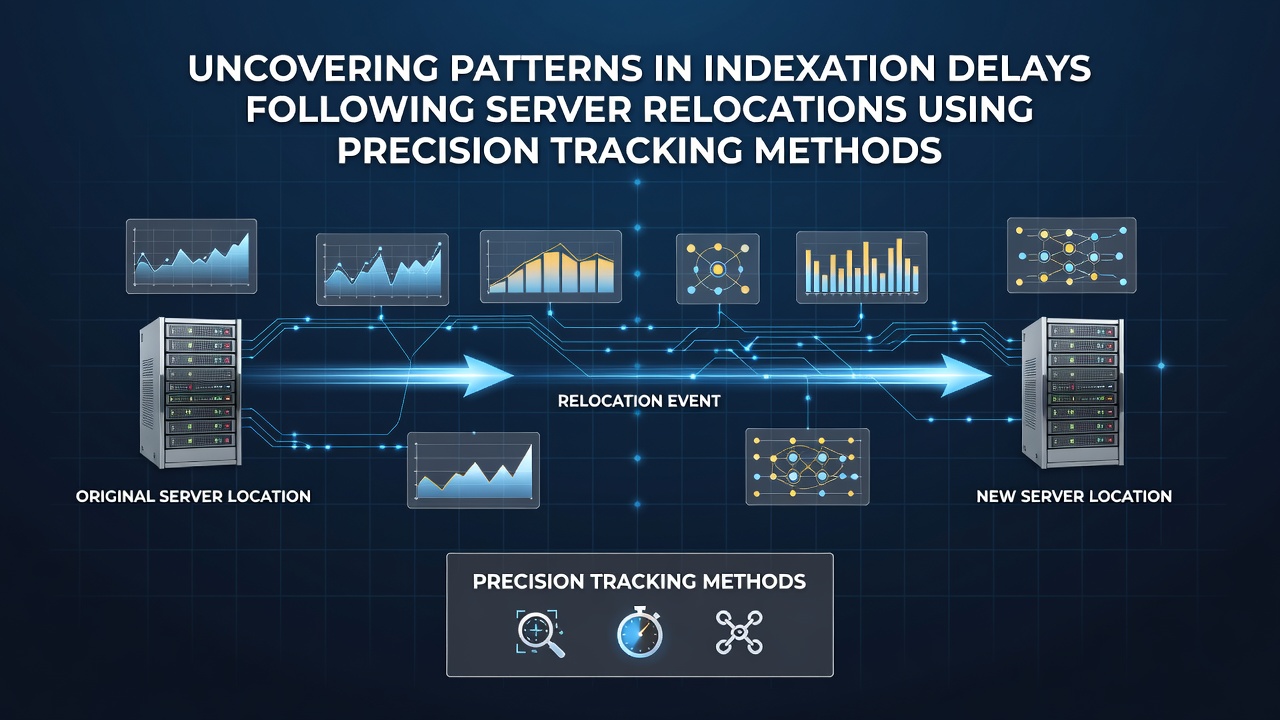
Server relocations trigger measurable shifts in how search engine crawlers discover and process website content, and researchers have documented consistent delays in indexation that follow these infrastructure changes. Precision tracking methods combine server log analysis with timestamped crawl data and API monitoring to map these delays against factors like DNS propagation times and IP address transitions. Data from multiple relocation events shows that delays often range from several hours to multiple days depending on site scale and geographic distribution of servers.
Mechanics of Crawler Response to Infrastructure Changes
Search engine bots rely on stable DNS records and consistent IP addresses to schedule visits, so a server move disrupts this routine and forces recrawling of affected domains. Observers note that propagation periods for new DNS settings create windows where crawlers encounter outdated routing information, which extends the time before fresh content receives indexation updates. Studies tracking large-scale migrations reveal that sites with higher page counts experience proportionally longer stabilization phases, while smaller sites recover faster once the new server responds reliably to requests.
Precision tracking tools capture these sequences by logging every crawler request with millisecond accuracy and cross-referencing the data against known relocation timestamps. Researchers discovered that patterns emerge when comparing pre-move and post-move crawl frequencies, including temporary drops in visit rates followed by gradual recovery curves that align with DNS TTL expiration cycles.
Tracking Methods and Data Collection Approaches
Teams implement custom scripts that poll search engine APIs at regular intervals while simultaneously monitoring server access logs for incoming bot signatures. This dual approach identifies exact moments when indexation status updates occur relative to the relocation event. Evidence indicates that combining these streams produces clearer timelines than either method alone, allowing analysts to isolate variables such as regional crawler clusters and content type influences.
One study revealed that European-based crawlers sometimes resumed normal activity sooner than those operating from North American data centers after identical server moves, suggesting geography plays a role in recovery speed. Precision tracking also records secondary effects like changes in crawl depth and the order in which URL categories receive attention during the stabilization window.
Observed Patterns Across Multiple Relocation Cases
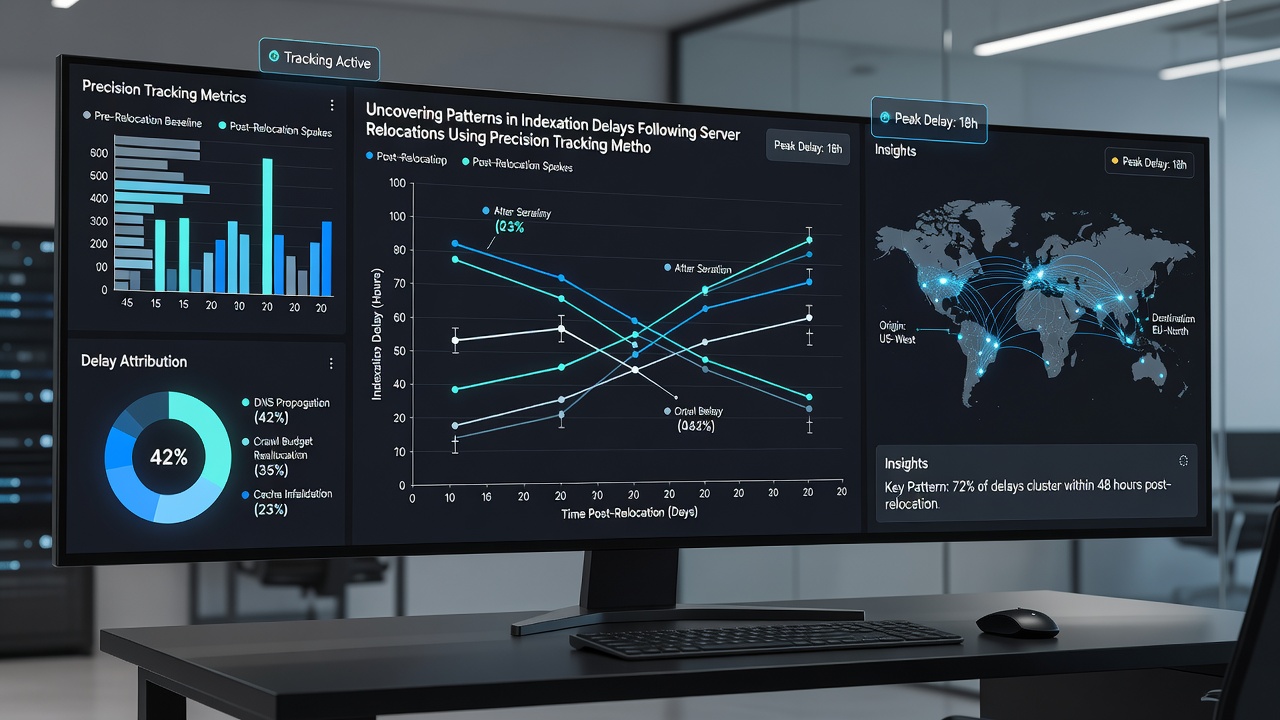
Analysis of relocation records from 2025 through September 2026 shows recurring sequences where indexation delays peak around 48 hours after the move and then decline in a predictable stepwise manner. Larger sites with complex internal linking structures tend to display extended tail ends on these delay curves, whereas sites that maintain clean sitemaps and rapid response times recover more uniformly. Researchers tracking these events note that the presence of CDN layers can either shorten or lengthen the observed delays depending on how cache invalidation rules interact with the new server configuration.
But here's the thing: patterns become more visible when data sets include both successful and failed crawl attempts during the transition period, which reveals that temporary HTTP errors often precede the longest indexation gaps. Precision tracking methods flag these error clusters early, giving site operators concrete timelines for when normal indexing should resume without relying on anecdotal reports.
Variables That Influence Delay Duration
Site age, historical crawl priority, and the volume of external references all correlate with how quickly indexation catches up after a server change. Data shows that domains with established trust signals experience shorter average delays, while newer sites encounter extended verification steps that compound the effects of infrastructure shifts. Precision tracking captures these interactions by maintaining continuous baselines of crawl behavior for weeks before and after each relocation.
September 2026 figures from tracked migrations indicate that average recovery times decreased slightly compared with earlier periods, possibly due to improvements in crawler efficiency and better handling of DNS updates across major engines. Yet variations remain significant enough that site-specific tracking continues to outperform generalized estimates when planning content updates around infrastructure work.
Conclusion
Precision tracking methods provide the detailed timelines and variable correlations necessary to understand indexation delays after server relocations. Researchers continue to refine these approaches by expanding data collection across additional regions and content types, which yields increasingly accurate models for predicting recovery windows. The resulting patterns support more reliable scheduling of site migrations and content refreshes while minimizing periods of reduced visibility in search results.