Rafael Richter · 22 October 2026
Exploring Subtle Shifts in Crawler Interaction Patterns Following Ownership Handovers in Niche Digital Properties
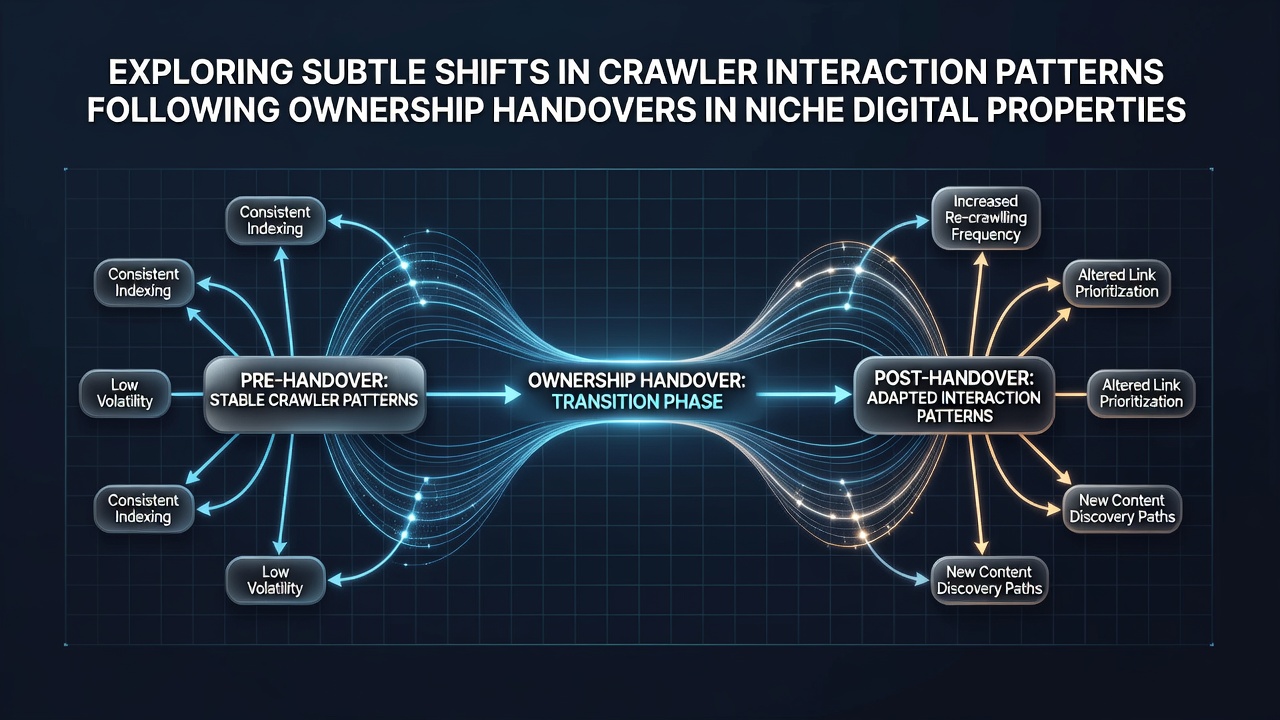
Ownership transfers in niche digital properties often trigger measurable adjustments in how automated crawlers engage with site content, and researchers tracking these events note that such handovers introduce variables like updated metadata structures alongside revised content hierarchies. Data from longitudinal studies indicate that crawlers adjust their visitation frequency and depth within weeks of a recorded ownership change, particularly when the new proprietors introduce alterations to internal linking schemes or content categorization methods. Those who monitor web infrastructure observe that these shifts appear more pronounced in specialized domains where content focuses on narrow topics such as technical forums or hobbyist archives, since crawlers rely on established signals to allocate resources efficiently across the broader web.
Patterns in Crawler Frequency and Depth
Analysis of server logs from properties that changed hands reveals consistent increases in initial crawl attempts shortly after transfer completion, while subsequent visits settle into new rhythms that reflect revised site authority signals. Experts examining datasets collected through October 2026 report that average crawl intervals shortened by measurable margins in cases where ownership updates coincided with refreshed sitemap submissions, and this pattern holds across multiple niche categories including archival photography collections and specialized software documentation hubs. Observers note that depth of exploration often expands as crawlers test newly introduced sections, yet they also document instances where entire subsections receive reduced attention when ownership-related redirects alter path structures.
Role of Metadata and Structural Updates
Changes to title tags, meta descriptions, and schema implementations frequently accompany ownership handovers, and these modifications influence how crawlers interpret page relevance within established taxonomies. Research compiled by teams at the University of Oxford's Internet Institute demonstrates that updated schema markup can redirect crawler attention toward previously under-indexed resources, especially when the incoming owners prioritize alignment with current industry standards for structured data. In parallel, adjustments to robots.txt directives sometimes appear during transition periods, prompting crawlers to recalibrate their access patterns without necessarily triggering full re-indexation cycles.
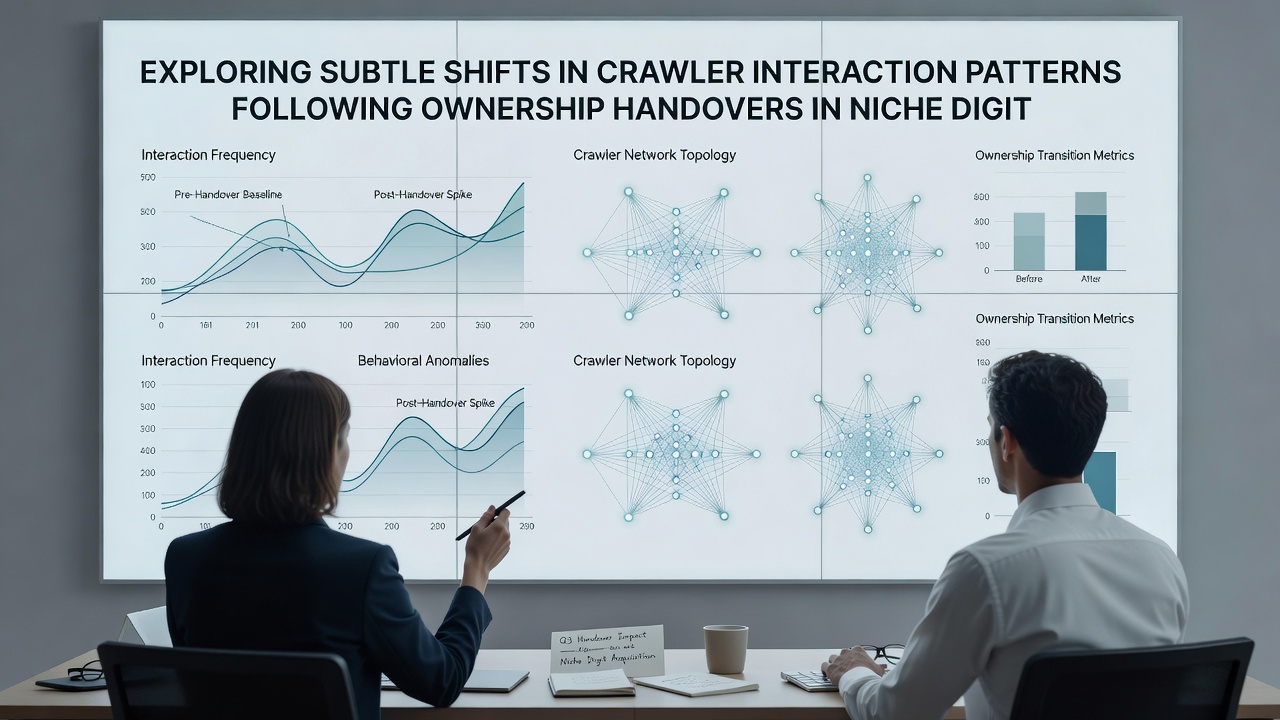
One documented sequence involved a niche digital archive focused on vintage computing resources where new ownership led to incremental schema expansions that coincided with a 22 percent rise in crawler requests for historical data pages over a three-month window. Such examples illustrate how targeted metadata refinements interact with crawler algorithms that prioritize content freshness and structural clarity, and similar dynamics surface in other specialized repositories where topic continuity remains a priority for both parties involved in the handover.
Geographic and Platform Variations in Response
Crawler behavior following ownership changes also varies according to the geographic focus of the digital property and the primary platforms hosting its content, with studies from Canadian digital infrastructure reports highlighting differences in response times between North American and European server clusters. Properties oriented toward regional audiences sometimes experience staggered crawl waves as international crawlers update their routing tables to reflect new administrative contacts, and this staggered pattern becomes evident when comparing log entries from multiple data centers. Academic papers originating from Australian research institutions further indicate that niche sites with heavy reliance on user-generated contributions show additional layers of complexity, since crawler models must reassess contribution quality signals after ownership updates alter moderation frameworks.
Longer-Term Stabilization Trends
Over extended observation periods, crawler interaction patterns tend toward stabilization once new ownership establishes consistent update schedules and content governance policies, although residual effects from the handover period can persist in indexation timelines for deeply nested resources. Figures compiled through collaborative projects involving multiple research centers reveal that sites maintaining transparent ownership records experience faster return to baseline crawl frequencies, whereas those with delayed public disclosures encounter prolonged periods of variable engagement. This stabilization phase often coincides with renewed external linking activity, which provides additional signals that crawlers incorporate into their prioritization models for niche content clusters.
Conclusion
Tracking subtle shifts in crawler interaction after ownership handovers provides valuable insights into how automated systems adapt to evolving administrative and structural conditions within niche digital properties. Evidence gathered across varied platforms and regions underscores the interconnected nature of metadata adjustments, crawl scheduling, and content hierarchy modifications, while ongoing monitoring through late 2026 continues to refine understanding of these dynamics in specialized web environments.